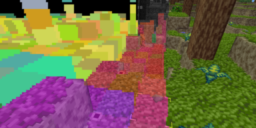
- presents a CPU-based software occlusion culling system for voxel rendering
- uses hierarchical subchunk levels (8x8x8 down to 1x1x1 blocks) to efficiently render occluders at varying distances
- presenting optimization steps
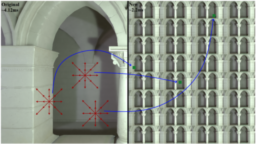
- explores shape-based ASCII rendering using 6-dimensional sampling vectors to capture character geometry
- introduces directional and global contrast enhancement techniques to sharpen edges between color boundaries
- implements GPU-accelerated sampling and k-d tree lookups with caching

- presents memory access optimizations for the à-trous wavelet transform used in SVGF denoising
- achieves 1.3-2.5x performance improvement by optimizing for modern GPU cache hierarchies
- maintains filtering quality while reducing execution time without imposing filter configuration limitations
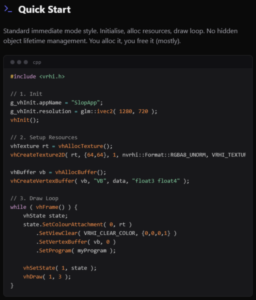
- introduces VRHI, an immediate-mode Vulkan RHI with DX11/DX9-style API design
- includes transient staging buffers, cached descriptor sets/PSOs, and threaded backend support
- described as AI-generated educational material intended to inspire better RHI implementations
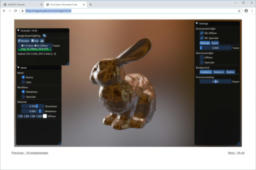
- documents the reimplementation of bgfx’s WebGPU backend using Tint for SPIR-V to WGSL shader translation
- critiques WebGPU’s design choices (versioning chaos, texture format tiers, structure chaining) while praising simplified buffer/texture management
- discusses Dawn/Tint bugs encountered and provides build instructions for native WebGPU development
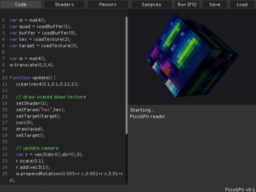
- virtual GPU designed for learning and experimenting with shaders in a constrained 300KB memory environment
- supports 640x480 rendering at 60 FPS with vertex/fragment buffers, render targets, and GPU-based sound synthesis
- includes save/load functionality as PNG screenshots containing all application data for easy sharing
- explains the structure and contents of .gfxr capture files for Vulkan, Direct3D, and OpenXR applications
- details what gets captured (API calls, memory snapshots, pipeline state) and achieving replay across platforms
- discusses portability considerations and additional tools that are using the format

- beginner-friendly HLSL tutorial that builds a custom shader from scratch
- covers shader structure, properties & variables, vertex vs fragment shaders, interpolators, vertex streams, and writing/animating effects
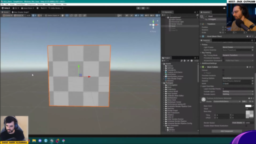
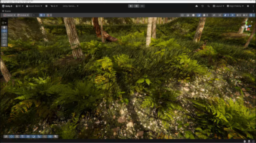
- demonstrates using built-in tools in Unreal and Unity to add foliage and detail meshes to terrain and landscapes
- discusses practical workflows (painting vs procedural placement), performance trade-offs (instancing vs SRP batching) and LOD considerations for large scenes
- part of a Terrain Shaders playlist with step-by-step demos and recommended resources for terrain detail pipelines
Thanks to Nathan Reed for support of this series.
Would you like to see your name here too? Become a Patreon of this series.
