- presents the Vulkan Roadmap 2026 milestone, which requires features such as variable-rate shading, shader clock queries, and higher descriptor limits
- announces the VK_EXT_descriptor_heap extension, which exposes direct access to descriptor memory while retaining compatibility with existing descriptor sets

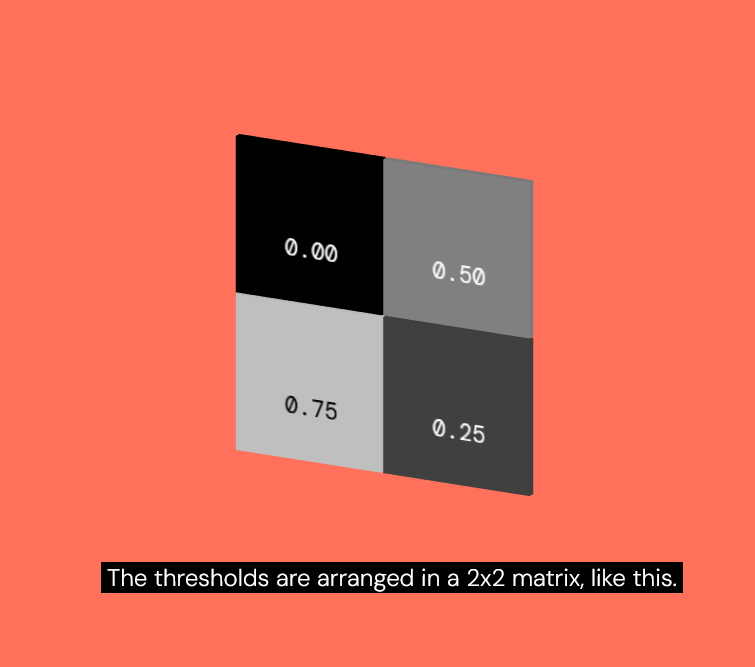
- explains ordered dithering using threshold maps (Bayer matrices) to convert grayscale images into black-and-white patterns
- compares threshold-map families (Bayer, cluster-dot, and void-and-cluster/blue-noise) and their characteristic visual textures
- shows how matrix size affects smoothness and previews the next part on error-diffusion dithering
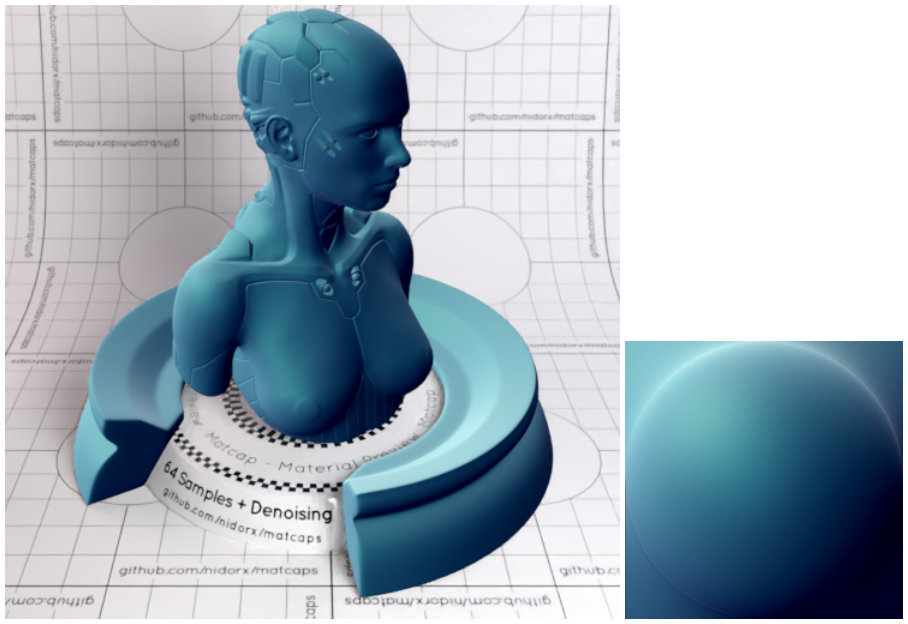
- presents a system for adding reflections in the Block Game by rendering a back-facing view and applying it via spherized matcaps
- uses reflected rays in view space instead of surface normals to correctly sample the environment map
- implements stochastic blue noise blur for roughness effects and discusses limitations
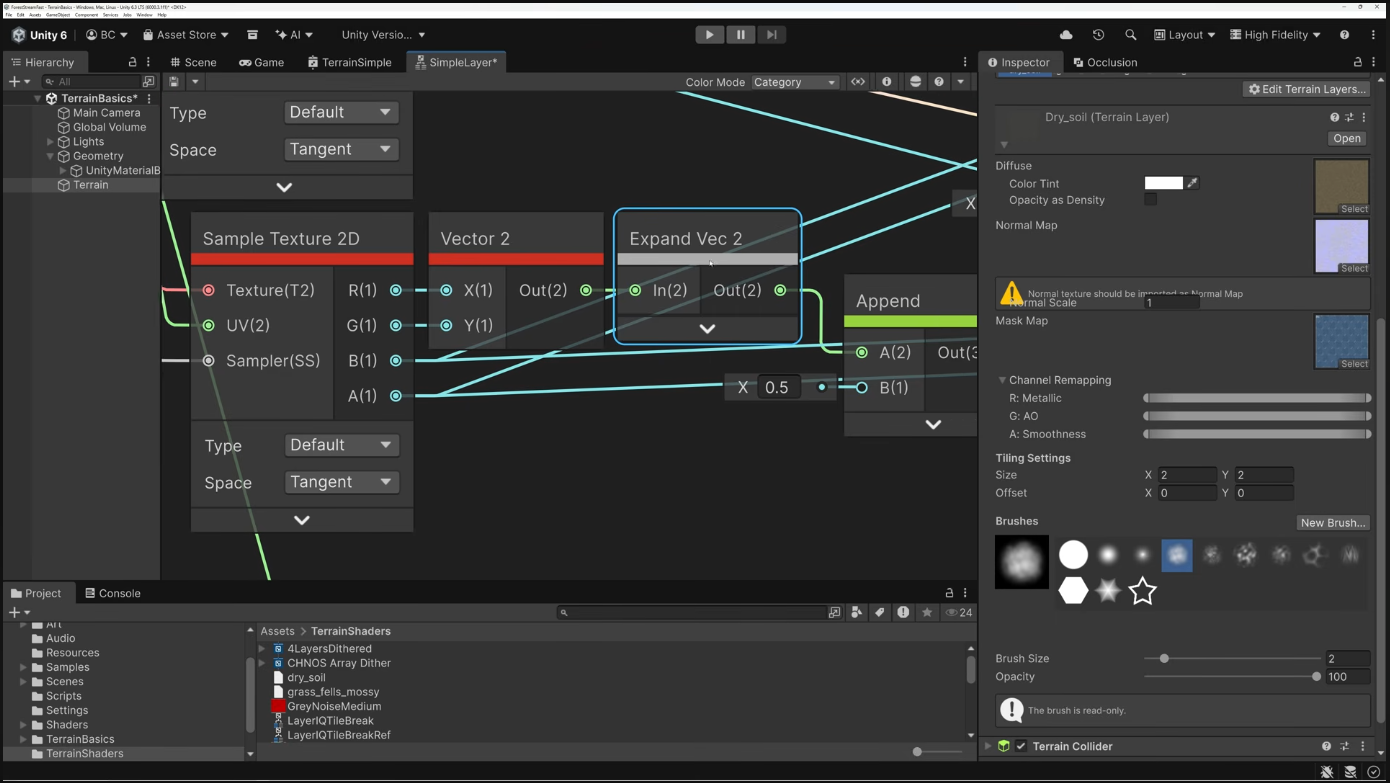
- demonstrates using the Terrain Texture Node in Unity’s Shader Graph to import terrain-system parameters for material layer settings
- shows how to adjust layer properties (color tint, opacity, etc.) and notes practical Inspector/HDRP quirks
- covers practical challenges of using Marching Cubes at scale (performance, mesh transitions, LOD) in large games
- discusses integration strategies (e.g., Transvoxel, streaming meshes) and common pitfalls for scalability
- includes demos, time-coded chapters, and links to implementation resources for further reading
- presents sphere-based particle collision detection and response, with practical code examples and a demo
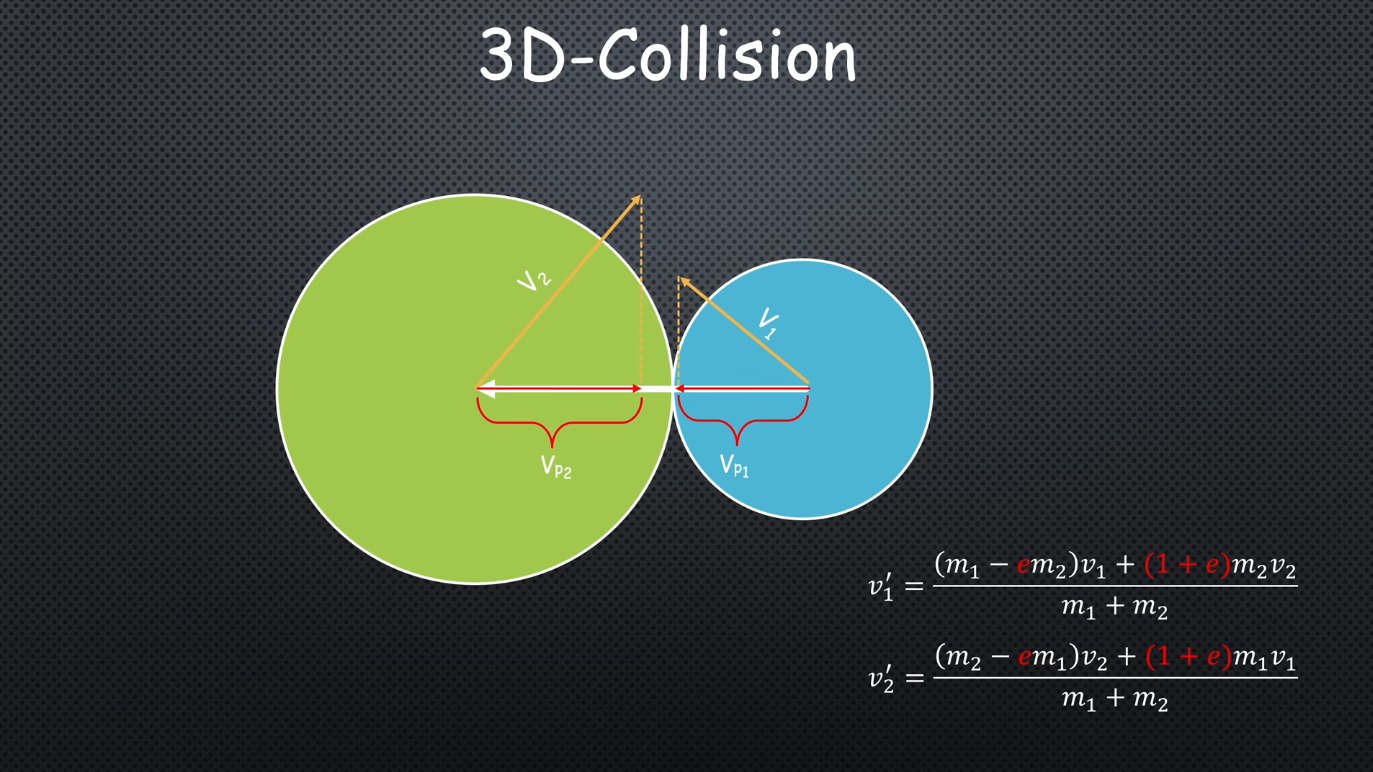
- explains momentum, kinetic energy, collision types, and coefficient of restitution, including a 1D→3D generalization
Thanks to Nathan Reed for support of this series.
Would you like to see your name here too? Become a Patreon of this series.
